Philosopher
Plato
c. 429 – 347 BCE
Student of Socrates and founder of the Academy, whose dialogues range across ethics, politics, knowledge and reality, and introduce the theory of Forms.
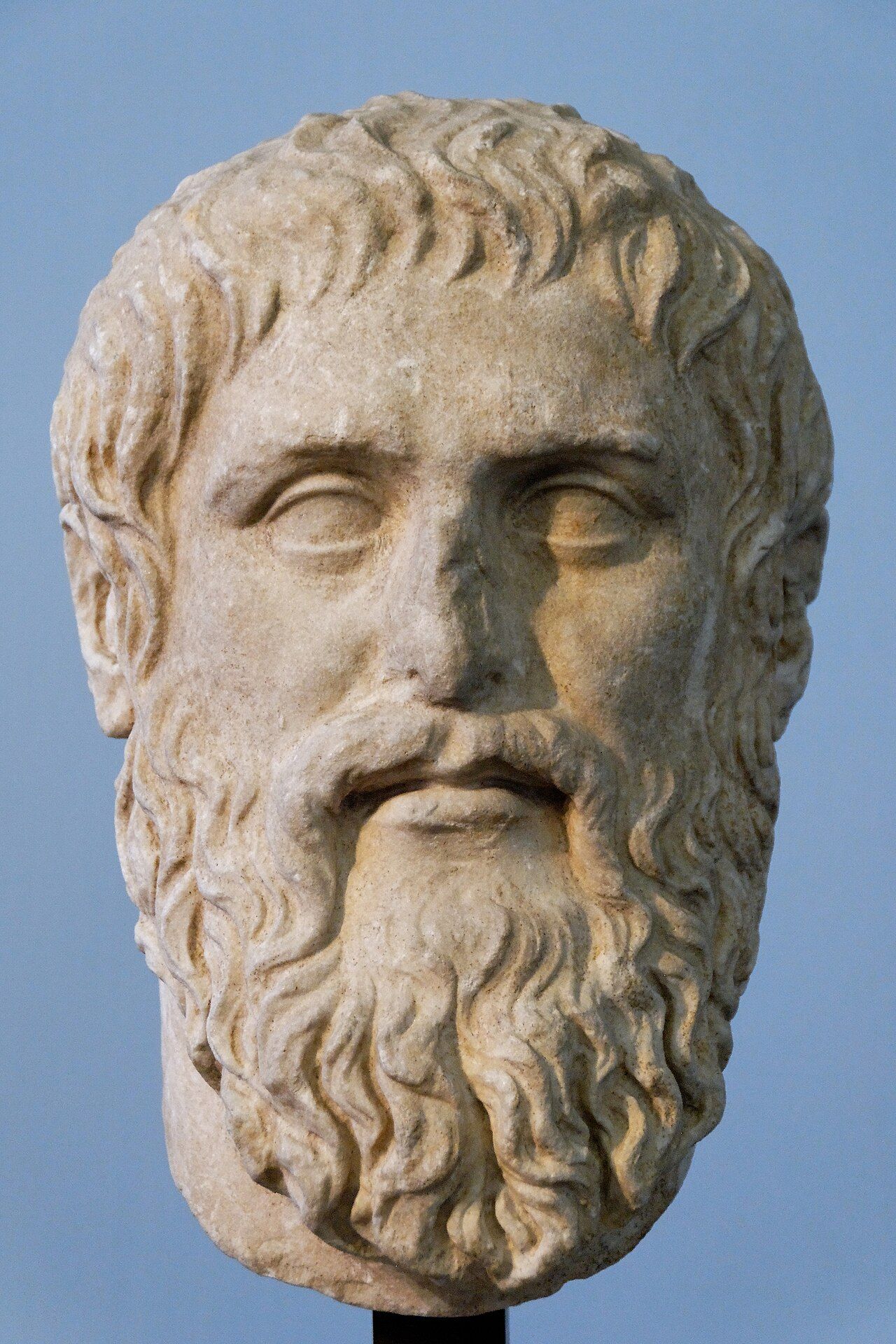

Plato wrote dialogues rather than treatises, most of them with Socrates as the main speaker. Across them he developed the view that the changing world we perceive is less real than eternal, unchanging Forms — such as Justice or the Good — which can be known only through reason. In the Republic he connects this to a picture of the just soul and the just city, famously ruled by philosopher-kings.
Around 387 BCE he founded the Academy in Athens, where Aristotle studied for twenty years.
- Tradition
- Western
- Region
- Athens
- Schools
- Platonism
- Period
- Ancient Greek and Roman
Key works
- Republic (Politeia)
- Symposium
- Phaedo
Sources
- Richard Kraut, Plato, Stanford Encyclopedia of Philosophy