Philosopher
Aristotle
384–322 BCE
Plato's student, who systematised logic and wrote on nearly every field of knowledge, from biology and physics to ethics, politics and metaphysics.
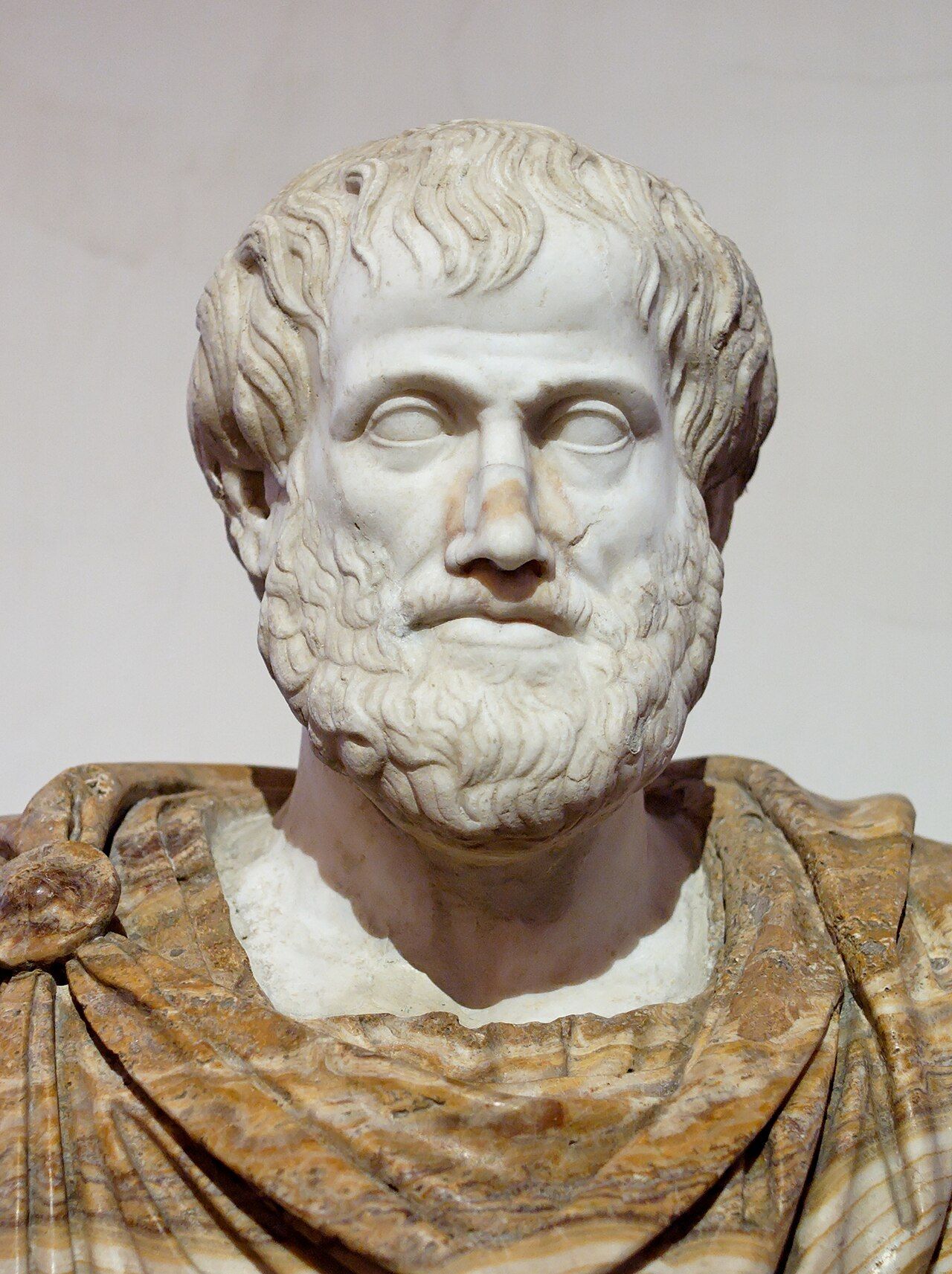

Born in Stagira in northern Greece, Aristotle studied at Plato’s Academy and later founded his own school, the Lyceum. Unlike Plato, he located the forms of things within the things themselves, and he placed great weight on careful observation. His logic remained the standard for two thousand years, and his ethics — centred on virtue and human flourishing (eudaimonia) — is still widely studied.
His work was transmitted to the medieval world largely through Arabic philosophers, who called him simply “the First Teacher”.
- Tradition
- Western
- Region
- Athens
- Period
- Ancient Greek and Roman
- Influenced by
- Plato
Key works
- Nicomachean Ethics
- Metaphysics
- Politics
Sources
- Christopher Shields, Aristotle, Stanford Encyclopedia of Philosophy