Philosopher
Averroes
1126–1198
Also known as Ibn Rushd, Abu al-Walid Muhammad ibn Ahmad ibn Rushd
Andalusian judge and philosopher whose commentaries on Aristotle earned him the title 'the Commentator' in medieval Europe.
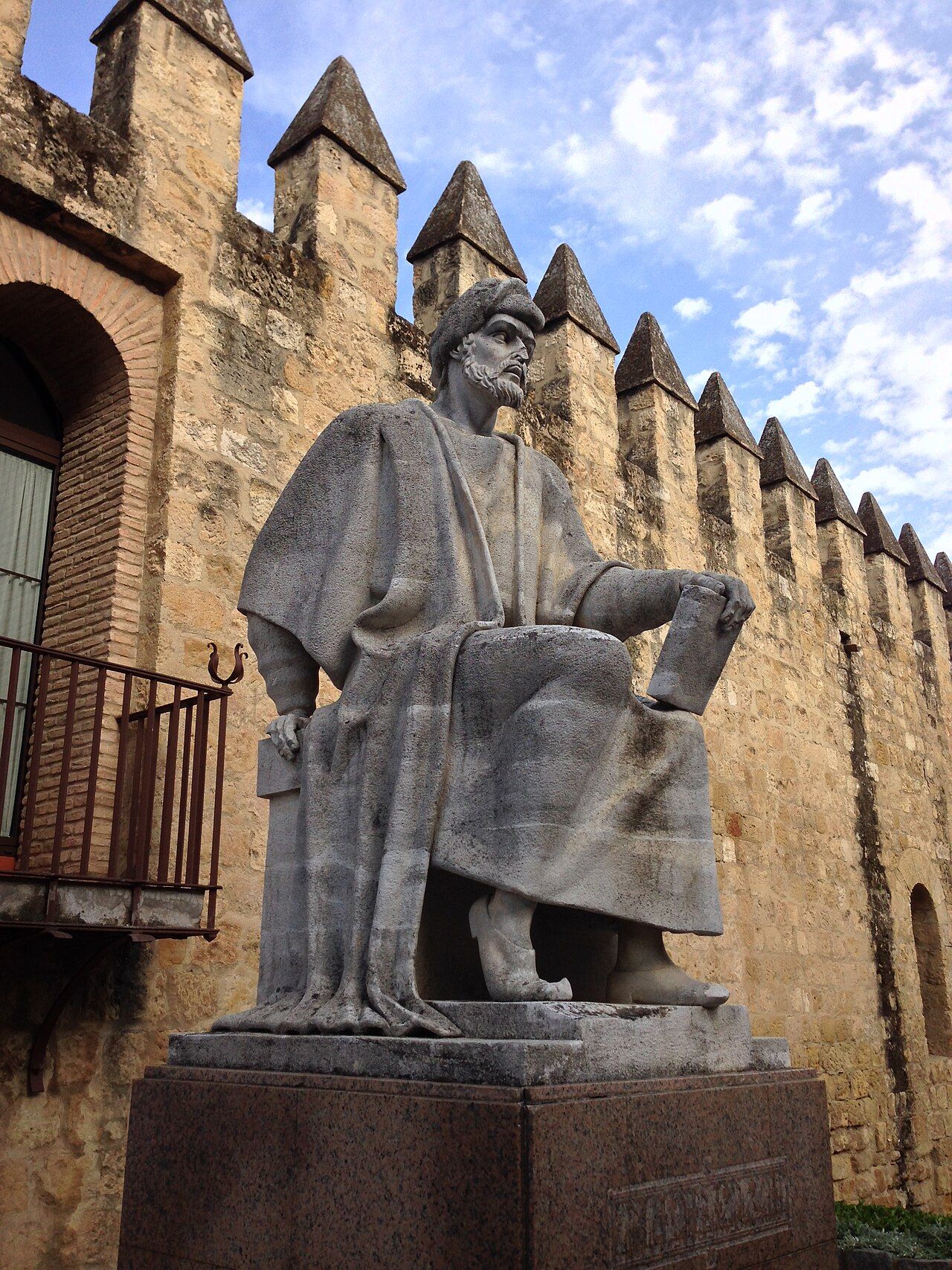

Ibn Rushd, known in Latin as Averroes, served as a judge and court physician in al-Andalus and Morocco. He wrote commentaries on almost all of Aristotle’s works and argued that philosophical demonstration and religious law, properly understood, cannot conflict. In The Incoherence of the Incoherence he defended philosophy against al-Ghazālī’s attack on it.
His commentaries had a greater influence in Latin Europe, where they fuelled the movement known as Averroism, than in the Islamic world.
- Tradition
- Arabic and Islamic
- Region
- Al-Andalus and Morocco
- Period
- Classical Islamic
- Influenced by
- Aristotle
- Influenced
- Thomas Aquinas
Key works
- The Decisive Treatise (Fasl al-maqal)
- The Incoherence of the Incoherence (Tahafut al-tahafut)
Sources
- Fouad Ben Ahmed and Robert Pasnau, Ibn Rushd [Averroes], Stanford Encyclopedia of Philosophy