Philosopher
Mulla Sadra
c. 1571 – c. 1636
Also known as Sadr al-Din Shirazi, Sadr al-Muta’allihin
Persian philosopher whose “transcendent philosophy” joined Avicennan, Illuminationist and mystical thought, arguing that existence, not essence, is what is real.
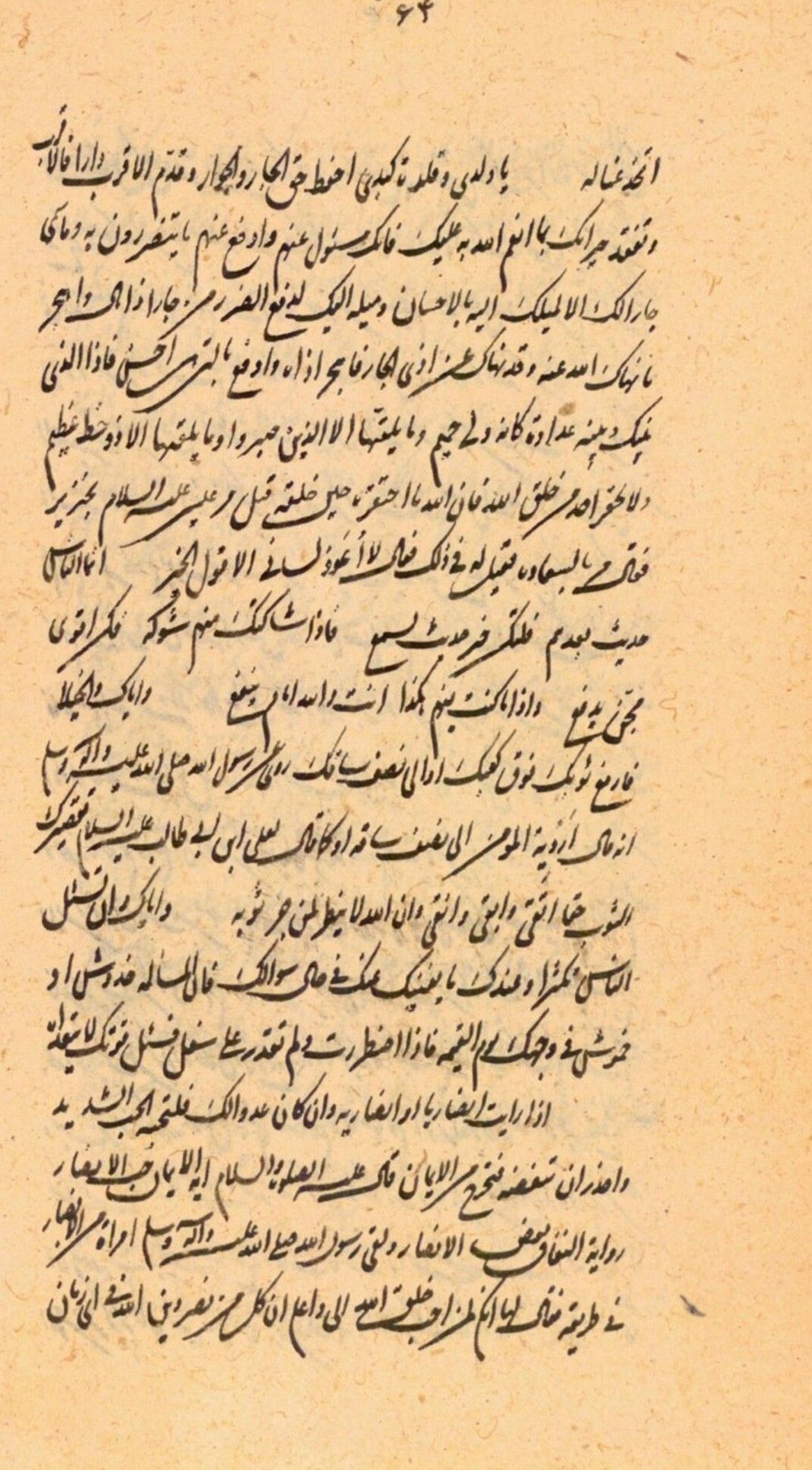
Born in Shiraz, Mulla Sadra studied in Isfahan, most notably with Mir Damad, spent years in retreat at Kahak near Qom, and later taught in Shiraz. He is widely regarded as the most important Islamic philosopher after Avicenna.
His “transcendent philosophy” drew together Avicenna’s metaphysics, Suhrawardi’s philosophy of illumination and mystical insight. Against those who took essences to be basic, he argued that existence is what is fundamentally real, that it comes in degrees, and that the natural world is in constant “substantial motion”. He saw philosophy as a spiritual discipline as much as an intellectual one.
Key ideas
- The primacy of existence
- In things, existence is what is real and prior, not essence. God produces existences in the world, which then take on the “garb” of some particular essence, rather than essences waiting to be given existence.
- Grades of existence
- Existence is a single reality. The many things of the world are different degrees and intensities of that one existence, linked in a hierarchy, not separate and stable substances.
- Substantial motion
- Everything changes not only in its qualities or place but in its very substance. Mulla Sadra put becoming ahead of fixed, unchanging being, rejecting Aristotle’s categories.
- Philosophy as becoming godlike
- Philosophy is a set of spiritual exercises aimed at wisdom and at becoming godlike. It needs logical reasoning, spiritual inspiration and deep meditation on scripture together.
- Tradition
- Arabic and Islamic
- Region
- Shiraz and Isfahan
- Period
- Later Islamic
- Themes
- What is ultimately real
Influences
Key works
- The Four Journeys (al-Asfar al-arba‘a)
Sources
- Sajjad Rizvi, Mulla Sadra, Stanford Encyclopedia of Philosophy