Philosopher
al-Ghazali
c. 1056 – 1111
Also known as Algazel, Abu Hamid Muhammad al-Ghazali
Sunni theologian, jurist and mystic whose Incoherence of the Philosophers condemned key doctrines of the Aristotelian philosophers while adopting their logic.
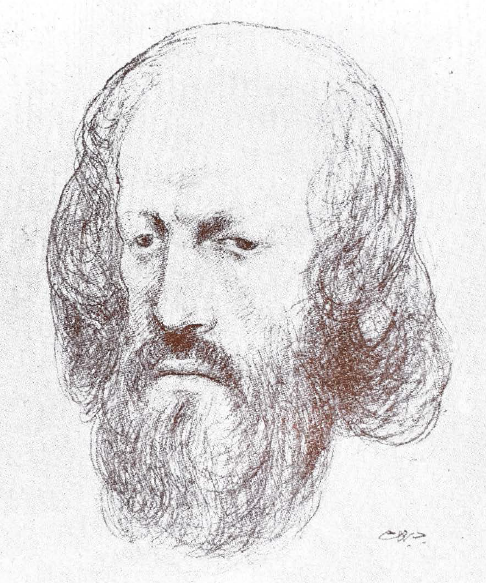

The thirst for knowledge was innate in me from an early age; it was like a second nature implanted by God, without any will on my part.
Born in Ṭūs in north-eastern Iran, al-Ghazali studied at the Niẓāmiyya college in Nishapur and in 1091 was appointed to the prestigious Niẓāmiyya in Baghdad. In 1095 a personal crisis led him to leave his post and spend years as a Sufi, a turn he describes in his autobiography, Deliverance from Error.
In The Incoherence of the Philosophers he criticised twenty positions of the falsafa tradition of Avicenna and his followers, condemning three as unbelief: that the world is eternal, that God does not know particular things, and that there is no bodily resurrection. Yet he accepted their logic and much of their science. His critique provoked Averroes’ reply, The Incoherence of the Incoherence.
Key ideas
- The Incoherence of the Philosophers
- Al-Ghazālī criticised twenty positions of the philosophers. Most he judged merely wrong, but three of Avicenna’s were unbelief, contradicting revelation. These were that the world has no beginning, that God knows only universals, and that souls never return to bodies.
- Cause and effect aren’t necessarily connected
- “The connection between what is habitually believed to be a cause and what is habitually believed to be an effect is not necessary.” It comes from God’s decision to create them side by side, so the miracles reported in the Qur’an are possible.
- Reason and revelation
- “A [valid] rational demonstration is never wrong”, so it can’t truly conflict with revelation. Where it contradicts the literal text (proving, say, that God can’t have a “hand”), the text must be read allegorically. Almost all later Muslim theologians accepted this approach.
- Logic within theology
- Even as he condemned some of their teachings, al-Ghazali accepted the philosophers’ method of demonstration. With him began the introduction of Aristotelian, and especially Avicennan, philosophy into Muslim theology.
- Tradition
- Arabic and Islamic
- Region
- Persia and Iraq
- Period
- Classical Islamic
- Themes
- Faith and reason
Influences
Key works
- The Incoherence of the Philosophers (Tahafut al-falasifa)
- The Revival of the Religious Sciences (Ihya’ ‘ulum al-din)
- Deliverance from Error (al-Munqidh min al-dalal)
- Read free at Project Gutenberg (translated by Claud Field, as The Confessions of Al Ghazzali)
Sources
- Frank Griffel, al-Ghazali, Stanford Encyclopedia of Philosophy