Philosopher
Zhu Xi
1130–1200
The leading Neo-Confucian philosopher, whose synthesis and commentaries on the Four Books became the basis of Chinese state examinations for centuries.
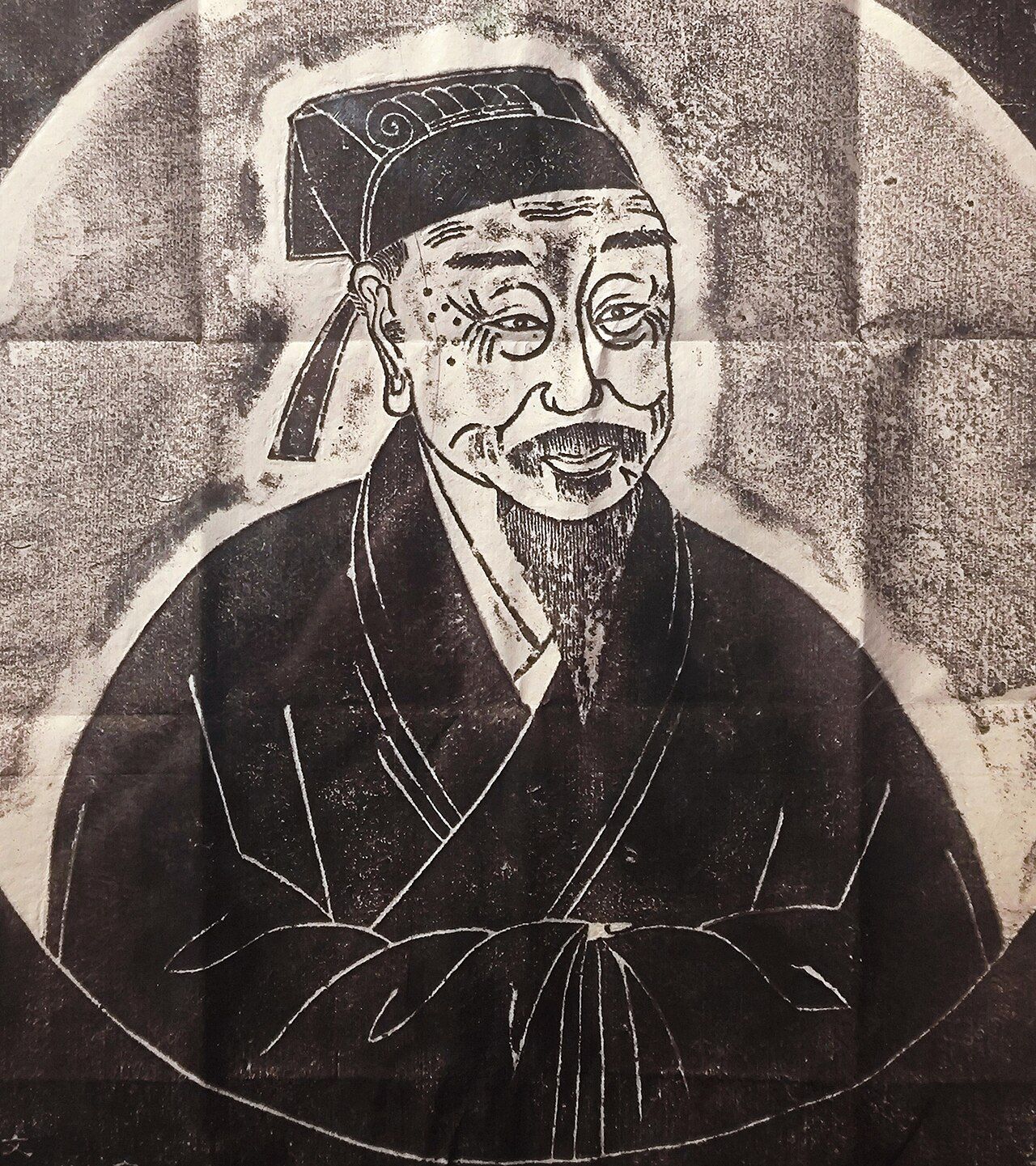

Zhu Xi drew together the ideas of earlier Song dynasty thinkers into a systematic Neo-Confucian philosophy. He explained the world in terms of principle (li), the pattern that makes each thing what it is, and vital energy (qi), the stuff of which things are made. Self-cultivation, for Zhu Xi, meant investigating the principle in things. His commentaries on the Four Books were made the standard for the imperial examinations in 1313.
- Tradition
- Chinese
- Region
- Southern Song China
- Schools
- Confucianism
Key works
- Reflections on Things at Hand (Jinsilu), 1175
Sources
- Kirill Thompson, Zhu Xi, Stanford Encyclopedia of Philosophy