Philosopher
Madhva
c. 1238 – c. 1317
Also known as Madhvācārya, Ānandatīrtha
Founder of the Dvaita, or dualist, school of Vedānta, which holds that God, individual selves and the world are really and eternally distinct.
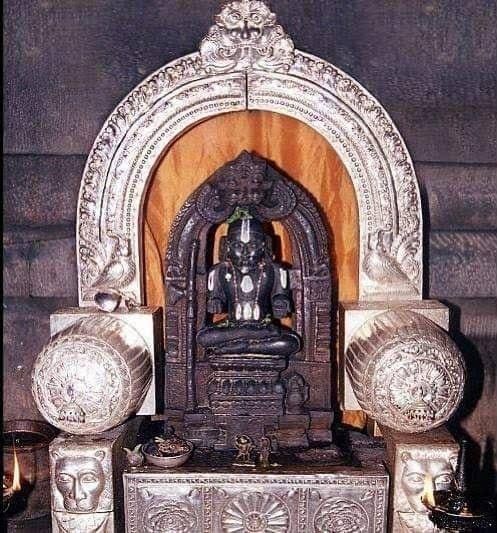

Madhva founded the Dvaita, or “dualist”, school of Vedānta in thirteenth-century South India. Reading the Upaniṣads, the Bhagavad Gītā and the Brahmasūtra as realist texts, he deliberately challenged the Advaita identification of the self with brahman.
For Madhva, God alone is independent. Souls and matter are real but depend entirely on God’s will, and that dependence marks a permanent distinction between God and everything else. Scripture, he argued, cannot teach that all beings are identical, since that would contradict ordinary perception, which shows us that we differ from one another and from God. His followers call the system tattvavāda, “the realist viewpoint”. His dates are the traditional ones.
Key ideas
- Dualism (Dvaita)
- The Vedanta texts teach a fundamental and permanent difference between the individual self (ātman) and the ultimate reality, brahman. Madhva vigorously attacked Śaṅkara’s non-dualism.
- Independent and dependent reality
- Brahman alone is independent. Souls and lifeless matter depend on its will, and that very dependence makes them distinct. Reality consists of God, souls and insentient matter.
- Trust in experience
- Perception and inference must be valid in themselves, or we couldn’t know anything, including the scriptures. Our everyday experience of being distinct from one another and from God is real, and scripture must be read in keeping with it.
- Devotion and grace
- Identifying brahman with Viṣṇu, Madhva argued that any identity between soul and God would strip devotion (bhakti) of meaning. Viṣṇu’s grace is the soul’s only hope of liberation from rebirth.
- Tradition
- Indian
- Region
- South India
- Themes
- Faith and reason
Influences
Sources
- Valerie Stoker, Madhva, Internet Encyclopedia of Philosophy