Philosopher
Nagarjuna
fl. 150–250 CE
Also known as Nāgārjuna
Buddhist philosopher who founded the Madhyamaka ('middle way') school, arguing that all things are empty of intrinsic nature.
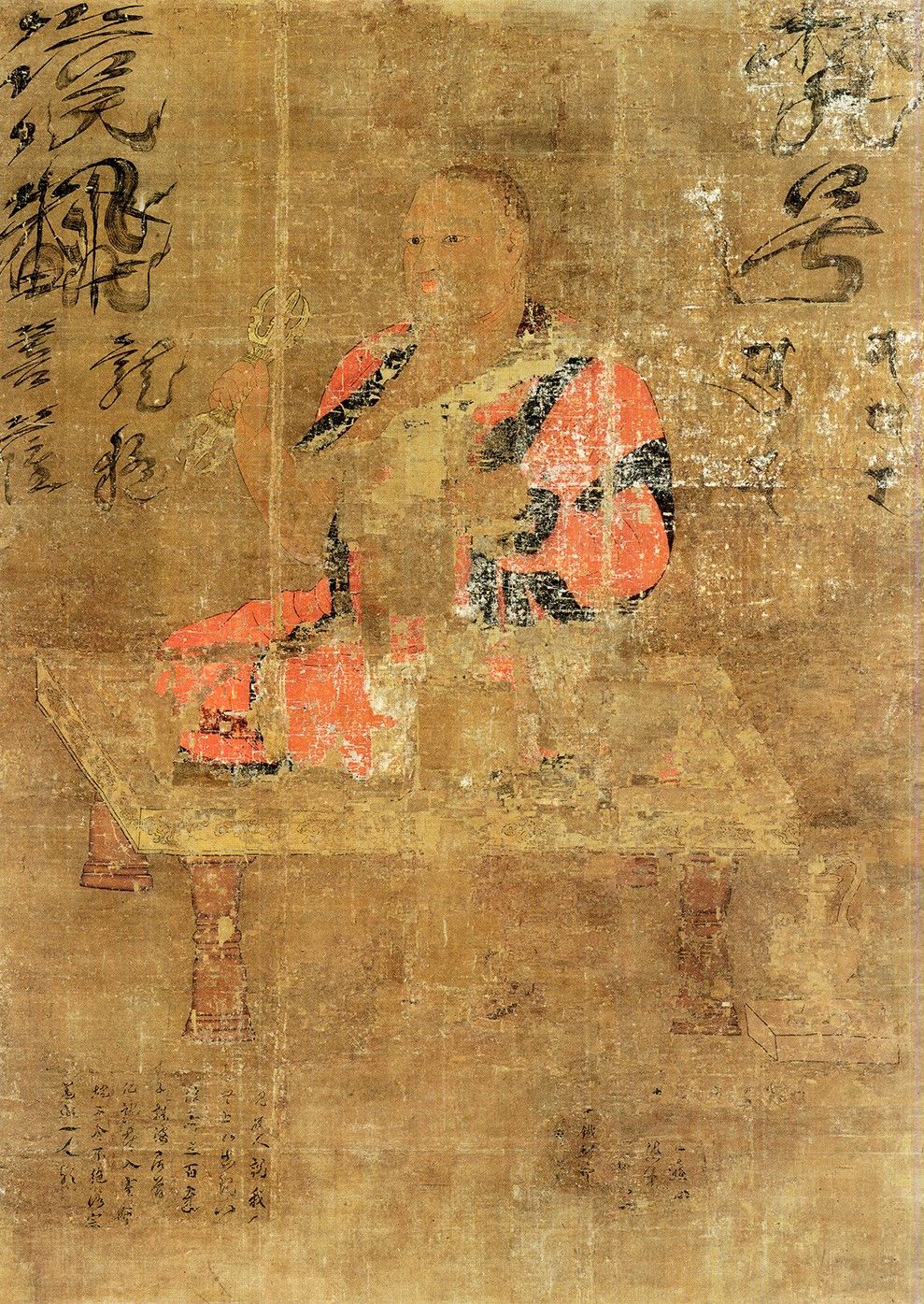

Nāgārjuna is widely regarded as the most important Buddhist philosopher after the Buddha. His central idea is emptiness (śūnyatā): nothing exists independently or has a fixed essence of its own, because everything arises in dependence on other things. He used rigorous arguments to show that views assuming such essences lead to contradictions.
Almost nothing certain is known about his life, and his dates are approximate.
- Tradition
- Indian
- Region
- India
Key works
- Fundamental Verses on the Middle Way (Mūlamadhyamakakārikā)
Sources
- Jan Westerhoff, Nāgārjuna, Stanford Encyclopedia of Philosophy