Philosopher
Laozi
fl. 600–500 BCE
Also known as Lao-tzu, Lao Dan
Semi-legendary sage traditionally credited with the Daodejing, the founding text of Daoism, which counsels living in harmony with the dao through simplicity and non-action.
.jpg)
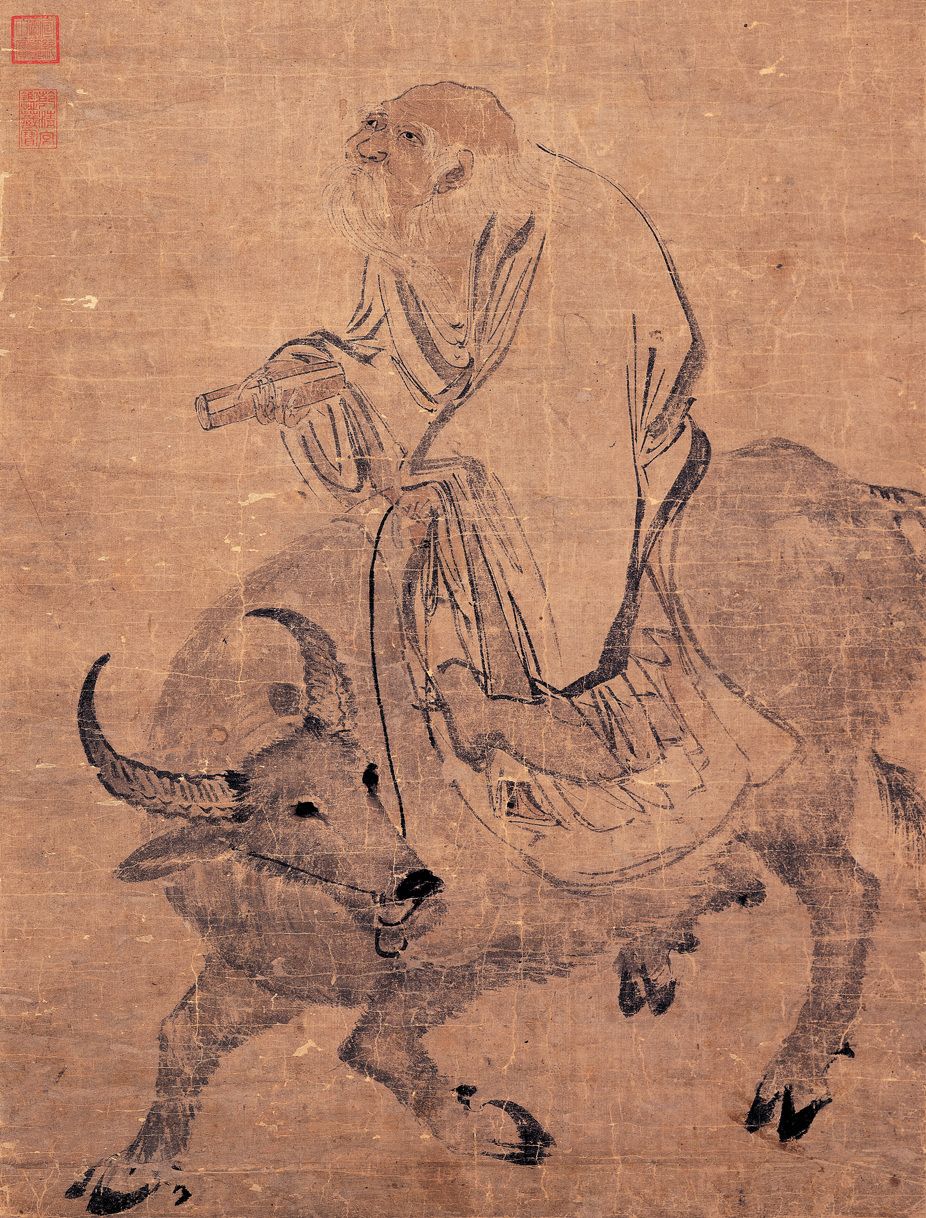
According to Chinese tradition, Laozi was an archivist at the Zhou court and an older contemporary of Confucius who, leaving China through a western pass, wrote down his teachings at the request of the gatekeeper. Many scholars doubt that he was a single historical person, and the Daodejing that bears his name is generally thought to have taken shape over time.
The Daodejing presents the dao, or “way”, as the nameless source of all things, and recommends wuwei (acting without forcing) together with simplicity and humility, for individuals and rulers alike. The dates given here are the traditional ones.
- Tradition
- Chinese
- Schools
- Daoism
- Period
- Classical Chinese
Key works
- Daodejing (Laozi)
Sources
- Alan Chan, Laozi, Stanford Encyclopedia of Philosophy